

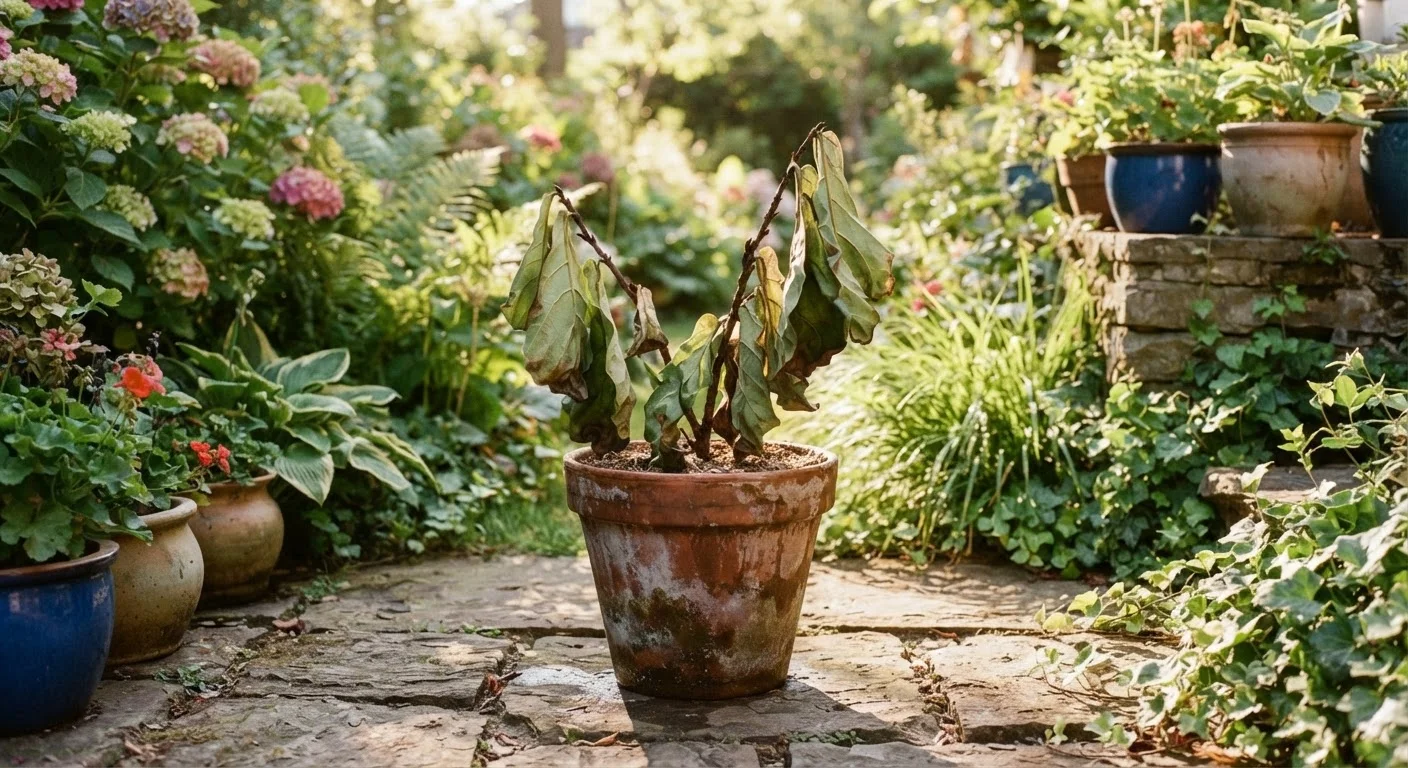
Why the Outdoor Transition Is Harder Than It Looks
Summering houseplants outdoors is a popular and genuinely beneficial practice - extra light, humidity, and airflow can help many plants recover from months of indoor living. But the move itself carries real risk if it isn't handled with care. Indoor-grown plants are adapted to a stable, filtered environment: consistent temperatures, indirect light, and still air. Stepping them outside without a plan exposes them to conditions their tissues simply aren't prepared for.
The mistakes that kill houseplants during outdoor transitions aren't unusual or obscure. They're predictable, and they happen to gardeners of every experience level. Understanding why they occur is the first step toward preventing them. This applies whether you're moving a single pothos to a balcony or placing a collection of tropicals on a shaded porch - the principles are the same. If you're expanding your outdoor plant repertoire, a year-round lawn and garden overview can help you time these transitions alongside other seasonal tasks.
Sunburn Is Real - and Fast
A houseplant moved directly into full outdoor sun can suffer irreversible leaf scorch within a single afternoon. Unlike sunburn on human skin, scorched plant tissue does not heal - those leaves are permanently damaged. Always introduce outdoor light exposure gradually, starting with just an hour or two of gentle morning sun before building up over one to two weeks.
The Most Common Mistakes - and How to Avoid Them
Each of the errors below is easy to make and, in most cases, just as easy to prevent. The key is anticipating how dramatically outdoor conditions differ from your living room - and giving your plants time to catch up.
Moving plants directly into full sun without any transition period.
Why it happens: Gardeners assume that more sunlight is always beneficial, and the move feels natural during warm, sunny weather.
Failing to adjust the watering schedule after moving plants outside.
Why it happens: Gardeners carry their indoor watering routine outdoors without accounting for wind, heat, and direct sun - all of which accelerate moisture loss from pots.
Ignoring pest inspection before and after moving plants outside.
Why it happens: Indoor plants rarely deal with outdoor pests, so gardeners don't think to check - but outdoor environments introduce aphids, spider mites, fungus gnats, and more.
Leaving plants outside too late into fall when nighttime temperatures drop.
Why it happens: The transition feels gradual, and daytime warmth can be deceiving - many gardeners don't realize cold damage has occurred until leaves drop or brown indoors.
Placing plants in spots that receive more wind than they can handle.
Why it happens: Wind impact outdoors is easy to underestimate, especially for plants that have spent months in still indoor air with no stem-strengthening movement.
Watch the Overnight Temperatures
Most tropical houseplants - including pothos, peace lilies, and fiddle-leaf figs - can suffer cold injury when temperatures dip below 50°F (10°C). Summer nights in many parts of the U.S. can still fall into this range, especially in spring and early fall. Always check the overnight forecast before leaving plants outside, and bring them in if temperatures are expected to drop.
For gardeners working with limited outdoor space, container gardening strategies for patios and balconies can help you plan placement more thoughtfully.
Bringing Plants Back In: The Fall Mistakes
The return trip indoors creates its own set of problems. Even gardeners who nail the spring transition often stumble in fall. Beyond cold exposure, returning plants can smuggle pests and disease into your home - problems that then spread to every other indoor plant you own.
10-14 days
Recommended outdoor acclimation period for most houseplants
Plant care guidelines from university extension programs generally recommend a minimum of one to two weeks of gradual light exposure before full outdoor placement.
2×
How much faster outdoor soil dries versus indoors
Wind, direct sun, and higher temperatures outdoors can roughly double evaporation rates compared to a stable indoor environment, requiring more frequent watering checks.
Before bringing any plant back inside, spend a few days inspecting it thoroughly. Remove dead or damaged foliage, treat any visible pest activity, and consider repotting if roots have outgrown the container over summer. A brief quarantine period - a week or two in a separate room - lets you catch any hitchhikers before they spread. If you're thinking about what to plant permanently outdoors instead, comparing perennials and annuals can help you build a lower-maintenance yard over time. And if reducing overall outdoor maintenance appeals to you, native plants offer real advantages worth understanding.
The content on this site is provided for informational purposes only and should not be considered a substitute for professional advice. While we strive to provide accurate and up-to-date information, we make no guarantees regarding its completeness or accuracy. Always consult a qualified professional for advice specific to your circumstances before making any decisions.