

Why Older Homes Deserve Extra Caution Before Any Project
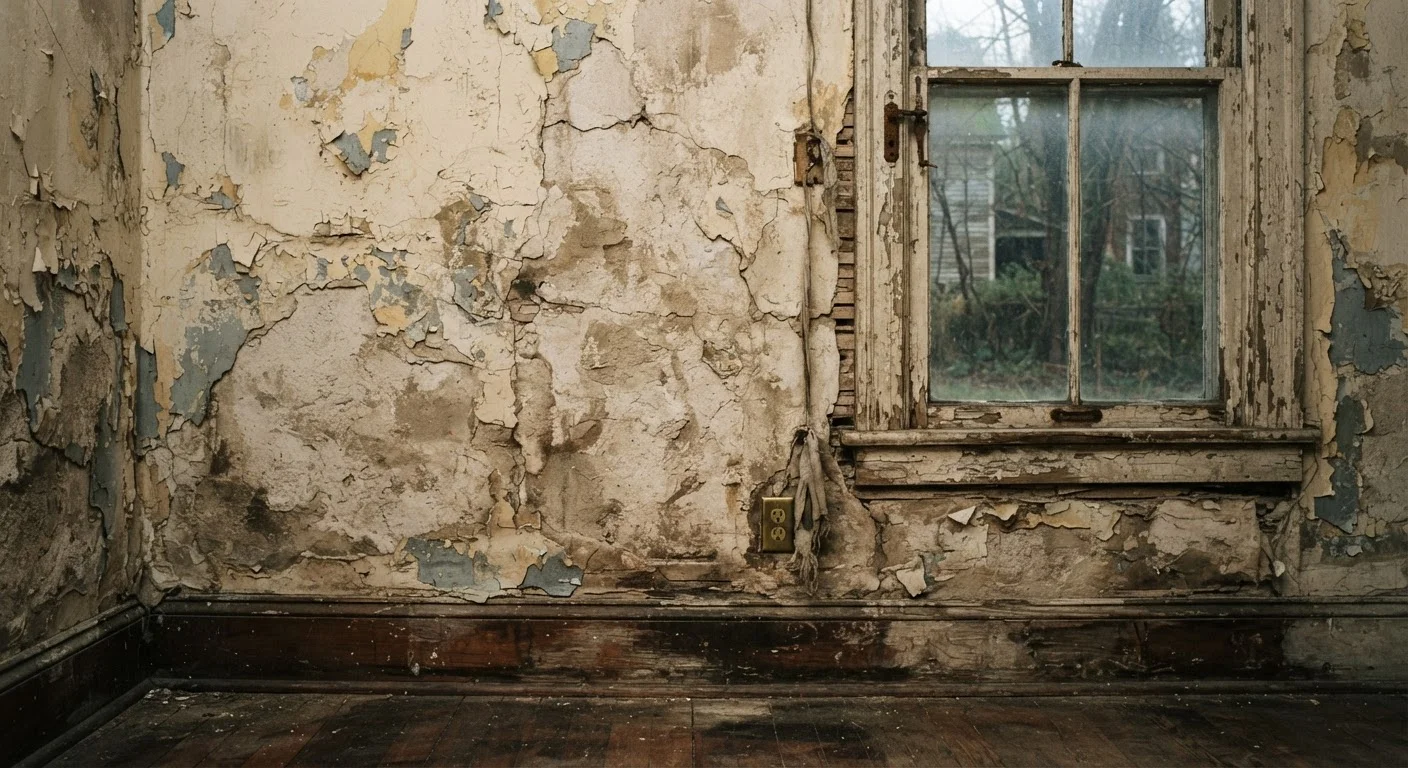
If your home was built before 1980, it may contain materials that were once considered standard but are now known to pose serious health risks. Asbestos was widely used in insulation, floor tiles, roofing, and pipe wrap through much of the 20th century. Lead-based paint was common in interior and exterior surfaces until it was banned for residential use in 1978. Neither material is dangerous simply by existing in your home - the risk arises when these materials are disturbed, sanded, drilled, or demolished.
Before starting any renovation, understand what you may be dealing with. This applies even to seemingly minor tasks like drilling a wall for shelving or sanding a windowsill. Deferred maintenance can compound hidden hazards, making it especially important to assess older homes thoroughly before work begins.
Age Alone Doesn't Tell the Whole Story
While pre-1980 construction is the standard benchmark, some homes built in the early 1980s may still contain residual stocks of lead paint or asbestos-containing materials installed before the regulatory cutoffs took effect. If you are uncertain about your home's material history, testing is always the prudent step - regardless of the exact build year.
Where These Materials Are Most Commonly Found
Knowing where to look helps you avoid accidentally disturbing hazardous materials during routine work.
Asbestos is frequently found in:
- Pipe and duct insulation (often wrapped in gray or white fibrous material)
- Vinyl floor tiles and the adhesive beneath them, particularly 9x9-inch tiles common before 1980
- Popcorn or textured ceiling coatings
- Roof shingles and siding panels (especially cement-based types)
- Insulation around furnaces and wood-burning stoves
Lead paint is most commonly found on:
- Window frames, sills, and doors - friction surfaces where paint wears and creates fine dust
- Exterior surfaces including porch railings and trim
- Interior woodwork, baseboards, and cabinets in homes built before the late 1970s
Visual inspection alone cannot confirm or rule out either material. Asbestos fibers and lead content are invisible to the naked eye and can only be confirmed through laboratory testing.
The Right Steps to Take Before and After Discovery
Whether you suspect a hazardous material or have just uncovered something during a project, the steps below reflect widely accepted safety guidance from environmental and public health agencies.
For projects involving wall removal or structural changes, also review our guidance on identifying load-bearing walls before demolition - structural surprises and hazardous materials often go hand in hand in older homes.
Knowing When to Call a Professional - and How to Choose One
Handling confirmed asbestos or lead paint is not a standard DIY task. In most states, removal of regulated quantities of asbestos-containing materials requires a licensed abatement contractor. Lead paint removal in homes with children or pregnant occupants may also trigger legal requirements under federal EPA renovation rules (the RRP Rule).
Understanding which repairs are safe for DIY is a critical skill for any homeowner - and hazardous material remediation almost always falls on the professional side of that line. Once you're ready to hire, use a thorough vetting process: verify licensing, check for specific abatement or RRP certifications, and ask for written work plans. Our contractor vetting checklist can help you ask the right questions before anyone starts work.
This article is for general informational purposes only and does not constitute professional safety, legal, or health advice. Regulations regarding hazardous materials vary by state and locality. Always consult a certified inspector, licensed abatement professional, or your local health department for guidance specific to your situation.
The content on this site is provided for informational purposes only and should not be considered a substitute for professional advice. While we strive to provide accurate and up-to-date information, we make no guarantees regarding its completeness or accuracy. Always consult a qualified professional for advice specific to your circumstances before making any decisions.