

Why Small Problems Don't Stay Small
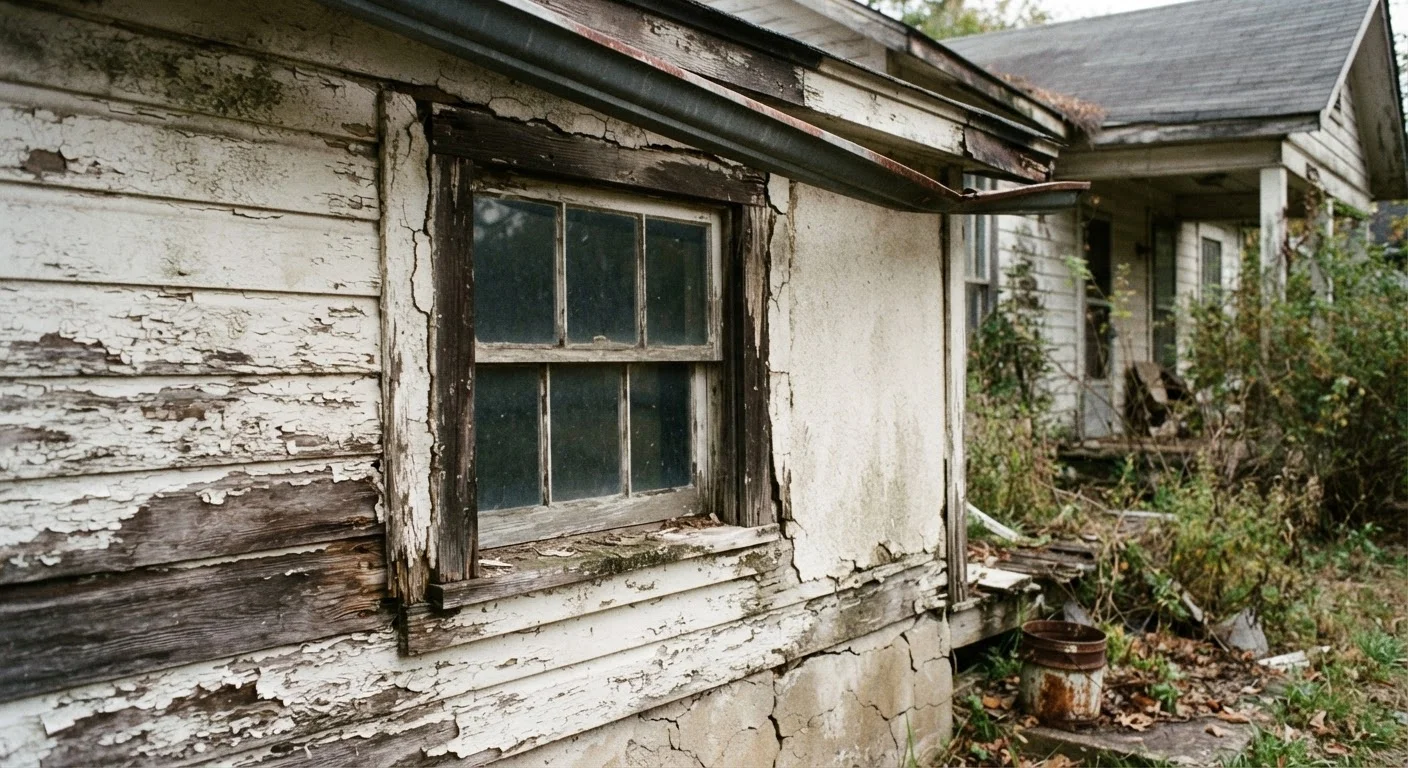
Most serious home damage doesn't arrive suddenly - it accumulates. A hairline crack in caulking, a missing shingle, or a slow-draining gutter each seem trivial on their own. But homes are interconnected systems, and a failure in one area reliably stresses the next. Understanding this chain-reaction dynamic is the first step toward breaking it.
Deferred maintenance is rarely about laziness. It happens when homeowners feel overwhelmed by a long task list, uncertain whether a problem is serious, or reluctant to spend money on something that isn't visibly urgent yet. The irony is that acting early on small repairs is almost always far less expensive than addressing the damage they cause later.
For a structured view of what needs attention and when, our annual home maintenance calendar offers a month-by-month breakdown that makes it easier to stay ahead of issues before they compound.
Ignoring early signs of roof damage, such as missing shingles or lifted flashing.
Why it happens: Roofs are out of sight, making it easy to assume they're fine until water appears inside the home. Homeowners often delay inspection until after a significant storm event.
Allowing gutters to remain clogged season after season.
Why it happens: Gutter cleaning is an unpleasant, time-consuming task, and the consequences of skipping it aren't immediately obvious from ground level.
Deferring caulk and weatherstripping replacement around doors, windows, and penetrations.
Why it happens: Caulk failure is gradual and easy to overlook. Gaps are small, and their connection to higher energy bills or interior moisture damage isn't intuitive.
Postponing HVAC filter changes and skipping annual system servicing.
Why it happens: Filters are hidden from daily view, and the system continues running even as airflow degrades - so homeowners don't notice the problem until efficiency drops noticeably or equipment fails.
Overlooking slow plumbing leaks under sinks or around toilet bases.
Why it happens: Slow leaks often go undetected for months because they occur in enclosed cabinet spaces or drip so slowly they evaporate before pooling. Homeowners may notice musty odors but not connect them to a water source.
The Real Cost of Waiting
The financial consequences of deferred maintenance can be striking. A minor roof leak left unaddressed can saturate insulation, rot roof decking, and eventually compromise ceiling joists - turning a straightforward repair into a multi-trade project requiring permits and a licensed contractor. Water is particularly unforgiving: it travels, hides behind walls, and fosters mold growth that raises both health and remediation concerns.
~40%
Of home insurance claims involve water damage
According to industry data cited by the Insurance Information Institute, water damage and freezing account for a large share of homeowner claims each year.
3-10×
Cost multiplier for delayed repairs
Home maintenance professionals commonly observe that repairs deferred even one or two seasons can cost several times more once secondary damage - such as mold or structural rot - sets in.
Structural damage from moisture is not the only concern. Neglected HVAC filters reduce system efficiency and shorten equipment life. Cracked driveway concrete allows water to penetrate and heave the slab during freeze-thaw cycles. Gaps around exterior doors and windows let conditioned air escape, raising utility costs year-round.
It's also worth knowing your limits. Some repairs that seem like straightforward fixes - electrical panel work, gas line connections, load-bearing wall modifications - carry real safety risks and typically require permits and licensed professionals. Our guide on when to DIY and when to call a professional can help you make that call confidently.
Older Homes Carry Additional Risks
If your home was built before 1980, deferred maintenance repairs may disturb materials containing asbestos or lead paint - both serious health hazards requiring professional assessment before work begins. Sanding, cutting, or demolishing older building materials without proper precautions is dangerous. Review our guide on working safely in older homes before starting any renovation or repair project in a pre-1980 property.
When deferred maintenance does eventually force a larger renovation, budget overruns become a serious risk. Understanding common planning missteps beforehand is valuable - see our article on why renovation budgets fall apart for practical guidance.
The pattern of neglect leading to outsized expense mirrors what happens in other areas of ownership. Just as skipping routine car maintenance causes cascading mechanical failures, putting off home repairs tends to multiply both the scope and the cost of eventual fixes.
The content on this site is provided for informational purposes only and should not be considered a substitute for professional advice. While we strive to provide accurate and up-to-date information, we make no guarantees regarding its completeness or accuracy. Always consult a qualified professional for advice specific to your circumstances before making any decisions.