

Why City Trips Go Sideways
Urban vacations carry a particular kind of pressure. Cities offer more - more to see, more to eat, more to navigate - and that abundance creates planning traps that don't exist in the same way for beach or nature trips. The result is often a trip that looks great on paper but feels exhausting in practice.
The mistakes that derail city trips aren't unusual or careless. They're predictable, and they tend to cluster around a few recurring themes: overscheduling, poor location decisions, and transit miscalculations. Understanding where the plan usually breaks down is the first step toward building one that holds up. For a broader look at trip budgeting and logistics, see our end-to-end domestic travel planning guide.
Packing too many must-see attractions into a single day, leaving no time for spontaneity or rest.
Why it happens: Travelers feel pressure to justify trip costs by seeing everything, especially in cities with long 'top attractions' lists.
Choosing accommodation based solely on price without researching the surrounding neighborhood.
Why it happens: Booking platforms sort by price by default, making budget options the most visible - and neighborhood context is rarely explained clearly in listings.
Assuming ride-shares will always be available, fast, and affordable throughout the city.
Why it happens: Ride-share apps work reliably in many suburban and mid-sized markets, so travelers carry that expectation into dense urban environments without adjustment.
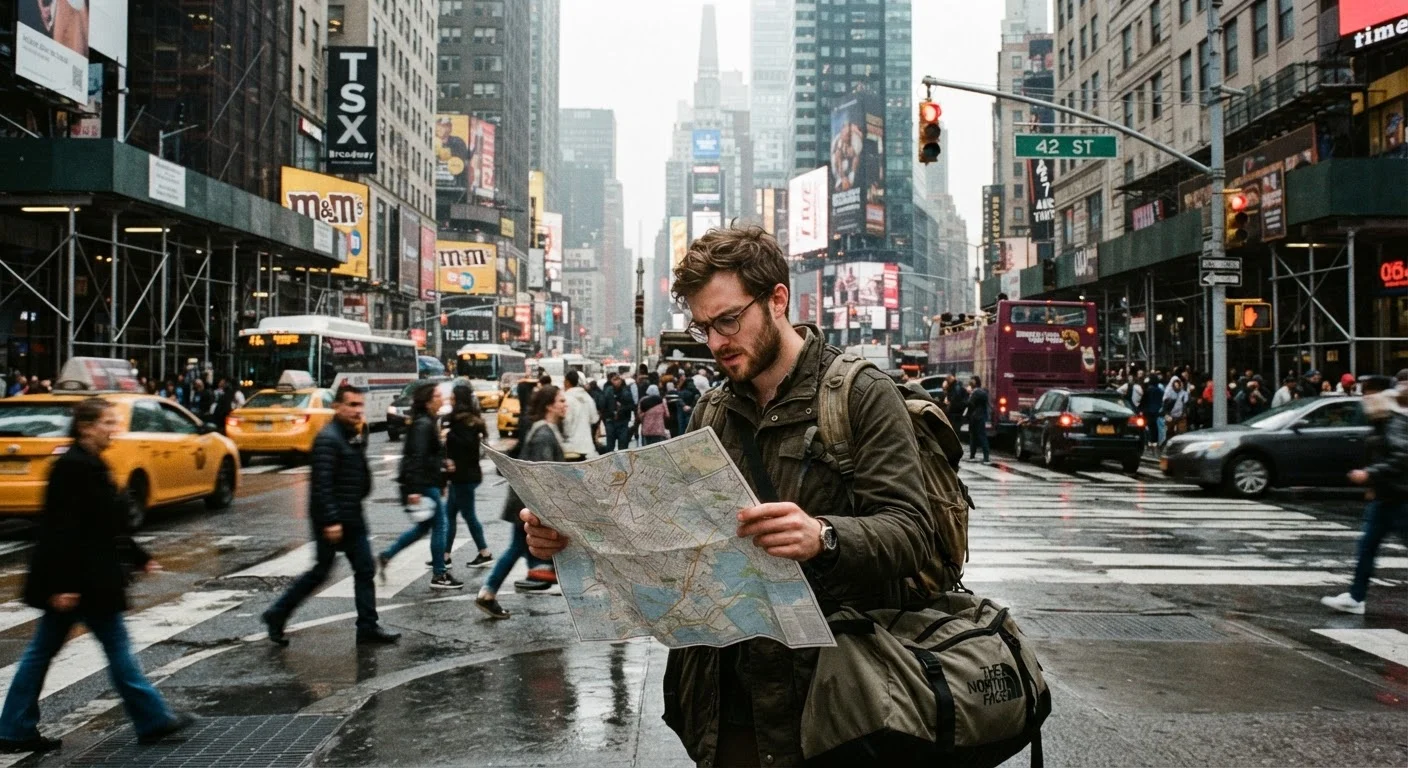
Underestimating walking distances and travel time between neighborhoods.
Why it happens: City maps compress distances visually, and travelers often don't account for stairs, crowds, wait times, or street-level navigation.
Ignoring a city's distinct neighborhoods and treating the destination as a single monolithic place.
Why it happens: Pre-trip research often focuses on headline landmarks rather than the neighborhoods that give a city its character and variety.
Failing to check for local events, closures, or seasonal conditions that affect popular sites.
Why it happens: Travelers research a destination in general terms but don't verify whether specific sites will be open, crowded, or altered during their visit window.
Making Your City Trip Work
The good news: every mistake above has a concrete fix, and none of them require sacrificing ambition. A well-planned city trip can cover a lot of ground - it just needs realistic time estimates, a neighborhood strategy, and a transit plan that doesn't depend on a single mode of transportation.
Transit Assumptions Can Break Your Trip
Many travelers arrive in a major city expecting ride-share apps to work seamlessly at all hours and at all locations. During peak hours, large events, or in transit-heavy corridors, surge pricing can make individual rides significantly more expensive than anticipated. Before you travel, research the city's public transit network - subway, bus, or light rail - and understand which neighborhoods are well-served and which are not.
Budget is another area where city trips frequently surprise travelers. Transportation, dining, and admission costs add up faster in dense urban environments than in other settings. Walking through your planned daily spend before you leave - including realistic transit and meal costs - helps avoid the end-of-trip accounting shock. Our guide on building a US travel budget covers a step-by-step approach to estimating real trip costs.
Don't Book Accommodation Without a Neighborhood Check
A hotel deal that looks attractive online can come with hidden daily costs - long commutes to attractions, limited dining options, or safety considerations that aren't apparent from a booking page. Read recent traveler reviews specifically about the surrounding area, not just the property itself, and cross-reference with city-specific guides or forums before confirming a reservation.
One often-overlooked factor is timing. Major cities frequently host conventions, marathons, and festivals that can drive up lodging costs, strain transit, and close streets on short notice. This intersects with the broader question of when to travel - the tradeoffs of off-peak travel are real, and worth weighing against your specific destination and dates. There's rarely a perfect window, but knowing what to expect from the season you choose makes the difference between a manageable trip and a frustrating one.
Approached carefully, a city trip is one of the most rewarding travel formats available - dense with experience, flexible in pace, and endlessly varied across destinations. The planning mistakes that derail them are avoidable, and the fixes are practical enough to apply before you book.
The content on this site is provided for informational purposes only and should not be considered a substitute for professional advice. While we strive to provide accurate and up-to-date information, we make no guarantees regarding its completeness or accuracy. Always consult a qualified professional for advice specific to your circumstances before making any decisions.