

Why Sodium Is Both Essential and Overconsumed
Sodium is a nutrient the body genuinely cannot function without. It helps regulate the volume of blood and other fluids, transmits electrical signals in the nervous system, and supports proper muscle contraction. The kidneys manage sodium levels carefully, excreting excess amounts through urine under normal circumstances.
The problem isn't sodium itself - it's the sustained, high-level intake that characterizes most American eating patterns. When the body consistently processes more sodium than it needs, the kidneys can struggle to keep pace, which can contribute to elevated blood pressure over time. High blood pressure is a well-established risk factor for heart disease and stroke, making sodium a topic of ongoing public health attention.
It's worth noting that the relationship between sodium and blood pressure is not uniform across all people. Researchers describe some individuals as "salt-sensitive," meaning their blood pressure responds more sharply to sodium changes. Others show little response. This variability is one reason general guidance sets a population-level threshold rather than a single universal prescription.
Sodium Needs Vary by Individual
While population-level guidance points to 2,300 mg per day as a reasonable ceiling for most adults, individual sodium needs are influenced by factors including age, activity level, climate, and underlying health conditions. People with certain kidney conditions, heart failure, or those on specific medications may have different requirements. Always consult a healthcare provider for guidance tailored to your personal health situation.
Where Sodium Actually Comes From
One of the most persistent misconceptions about sodium is that it's primarily a kitchen habit - a matter of how freely someone reaches for the salt shaker. In reality, the CDC estimates that roughly 70% of sodium in the American diet originates from processed, packaged, and restaurant foods, not from salt added at home.
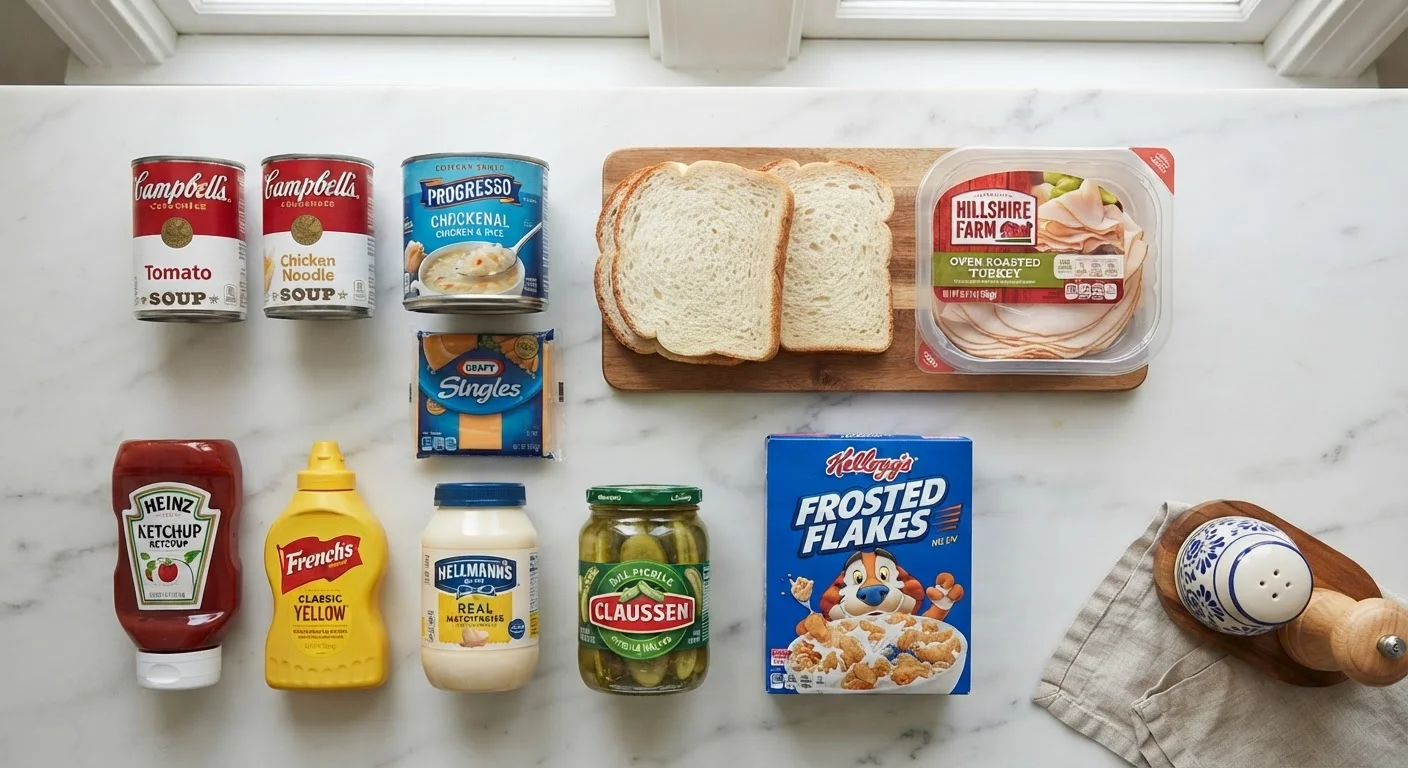
The top sources may surprise many readers. Bread and rolls - foods not typically associated with saltiness - are among the leading contributors simply because Americans eat them so frequently. Other major sources include cold cuts and cured meats, canned soups, pizza, poultry products (which are often injected with sodium solutions during processing), sandwiches, and fast food.
3,400 mg
Average daily sodium intake for U.S. adults
According to the CDC, this figure is roughly 48% higher than the 2,300 mg daily limit recommended in federal dietary guidelines.
~70%
Share of sodium from processed and restaurant foods
The CDC estimates that approximately 70% of dietary sodium consumed by Americans comes from packaged and foodservice sources, not the salt shaker.
#1
Bread and rolls as a sodium source
Despite not tasting overtly salty, bread and rolls have historically ranked as the single largest food category source of sodium in the U.S. diet, according to CDC analysis.
Understanding where sodium hides requires moving beyond obvious culprits like chips or pretzels. Condiments, salad dressings, soy sauce, and prepared sauces pack substantial sodium per serving. Breakfast foods including instant oatmeal, frozen waffles, and even some cereals contribute meaningfully. The cumulative effect of multiple moderate-sodium foods throughout a day is where excess typically builds.
For practical label guidance, reading a Nutrition Facts label is an accessible skill that makes sodium comparison across products straightforward. The Daily Value percentage for sodium on packaged food uses 2,300 mg as the benchmark - a value at or below 5% per serving is considered low, while 20% or more is considered high.
What Moderation Looks Like in Practice
The Dietary Guidelines for Americans recommend that most adults consume no more than 2,300 milligrams of sodium per day. To put that in context, a single fast-food meal - a sandwich, fries, and a condiment - can approach or exceed that entire daily limit. A can of condensed soup prepared as directed may deliver 800-900 mg in one sitting.
Moderation doesn't require eliminating sodium or avoiding all processed food. It's more usefully understood as building awareness of where sodium concentrates and making informed choices at those decision points. Practical approaches often include:
- Choosing "low sodium" or "no salt added" versions of canned goods like beans, tomatoes, and broth
- Rinsing canned beans and vegetables under water before use, which research suggests can meaningfully reduce their sodium content
- Flavoring food with citrus, vinegar, herbs, garlic, and spices rather than relying on salt or salty sauces
- Cooking whole grains, legumes, and proteins from scratch when practical, which provides direct control over added salt
- Being intentional at restaurants by requesting sauces on the side or choosing preparations that are less reliant on heavy seasoning
Sodium isn't the only nutrient worth paying attention to when making dietary shifts. Dietary fiber is another area where many Americans fall short of recommendations - and the foods highest in fiber (vegetables, legumes, whole grains) tend to also be naturally low in sodium, making them useful anchors for a balanced eating pattern.
Start with Label Comparisons, Not Elimination
Reducing sodium doesn't have to mean removing entire food categories. Within any aisle of a grocery store, sodium levels for the same type of product - soups, breads, sauces - can vary widely between brands. Spending a moment comparing labels within a category is one of the lowest-effort, highest-impact habits for managing sodium intake over time.
This article is for general informational and educational purposes only and is not a substitute for professional medical or nutritional advice. Consult a qualified healthcare provider before making significant changes to your diet, especially if you have a health condition such as high blood pressure, kidney disease, or heart disease.
Frequently Asked Questions
Research from the CDC indicates the average American adult consumes around 3,400 milligrams of sodium per day. This is nearly 50% more than the 2,300 mg limit outlined in the Dietary Guidelines for Americans. Much of that excess comes from packaged and restaurant foods rather than salt added during cooking.
The biggest contributors are not necessarily salty-tasting snacks. Bread and rolls, cold cuts and cured meats, pizza, canned soups, and fast food consistently rank among the top sources. Because these foods are eaten frequently and in significant quantities, their sodium adds up quickly even when individual servings seem moderate.
No. The FDA defines these terms specifically: "sodium free" means fewer than 5 mg per serving, while "low sodium" means 140 mg or less per serving. "Reduced sodium" means at least 25% less than the original product. Understanding these distinctions helps when comparing packaged foods.
Generally, yes - home cooking gives you more control over ingredients. However, cooking with canned goods, store-bought broths, sauces, or seasoning blends can still contribute significant sodium. Using fresh or frozen vegetables without added salt, and flavoring with herbs and spices, tends to result in lower sodium meals.
General guidance recommends that most adults limit sodium to 2,300 mg per day. Certain groups - including people with high blood pressure, kidney disease, or heart conditions - may benefit from further limits, but specific targets should be discussed with a healthcare provider. Sodium needs can also vary based on activity level and health status.
Not reliably. Sodium serves functions beyond flavor - it acts as a preservative, stabilizer, and texture agent in many foods. Products like bread, breakfast cereals, and cottage cheese can contain substantial sodium without tasting overtly salty. This is why label reading is more informative than taste alone.
The content on this site is provided for informational purposes only and should not be considered a substitute for professional advice. While we strive to provide accurate and up-to-date information, we make no guarantees regarding its completeness or accuracy. Always consult a qualified professional for advice specific to your circumstances before making any decisions.