

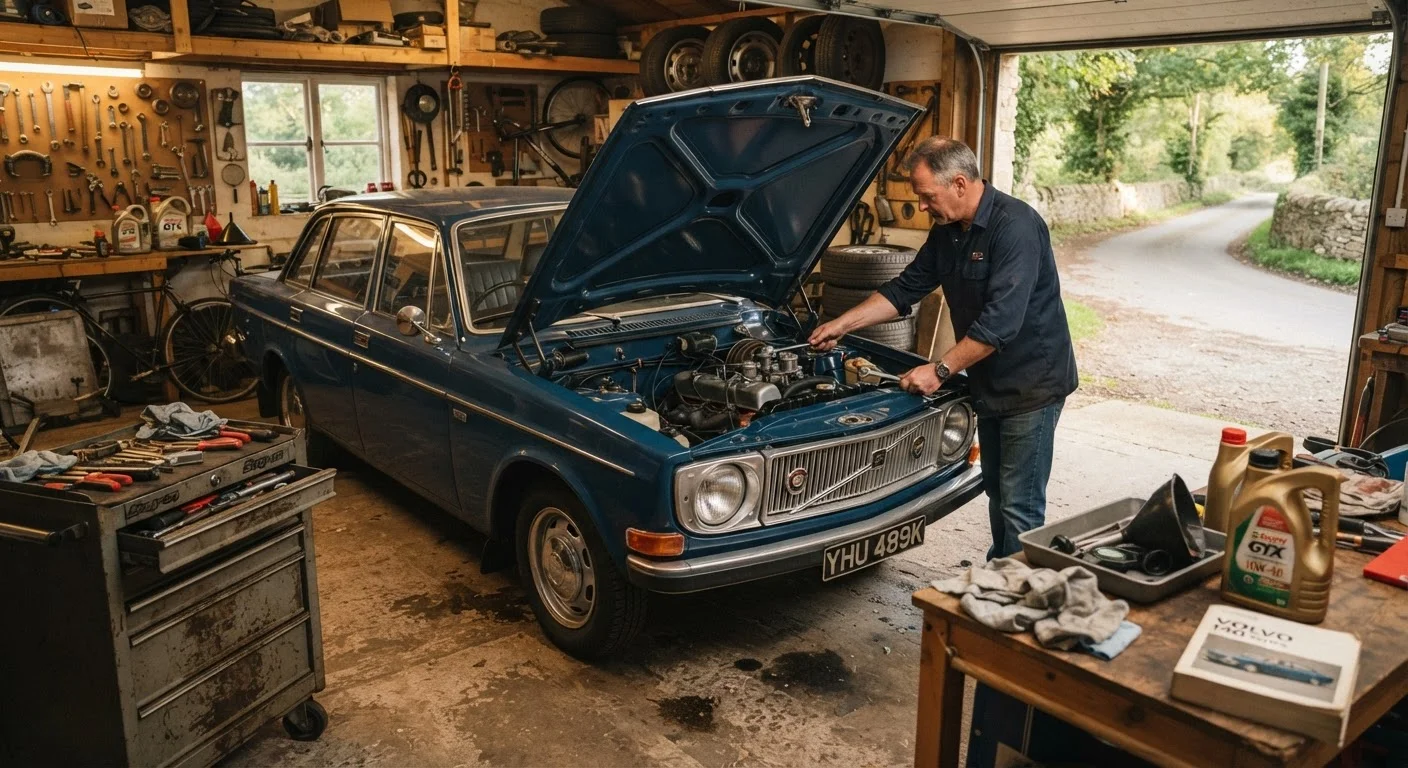
Why High-Mileage Vehicles Demand a Different Approach
Crossing 100,000 miles doesn't mean a vehicle is finished - millions of cars run reliably well past 200,000 miles with the right care. But it does signal a shift. Components that were within original tolerances at 60,000 miles are now operating with measurably more wear, and the consequences of deferred maintenance grow more serious with each passing year.
The owner's manual is still your baseline, but a high-mileage vehicle often warrants going beyond it. Inspection intervals that made sense for a newer car may be too generous for one with significant wear on seals, belts, and cooling system components. Understanding when each maintenance task is actually due gives you the foundation - then you build on it for an aging vehicle.
Core Practices for Keeping a High-Mileage Vehicle Reliable
The practices below are ordered by the impact they have on preventing unexpected failures. Each addresses a failure mode that becomes significantly more likely after the 100,000-mile mark.
Switch to a high-mileage engine oil formulation and monitor consumption between changes.
High-mileage oils contain seal conditioners and additives that help aging gaskets retain flexibility, reducing minor seepage. Engines with significant wear also tend to consume more oil between changes, and running low - even briefly - accelerates damage.
Inspect all rubber components - belts, hoses, and seals - at every oil change, not just at manufacturer-specified intervals.
Rubber degrades from heat cycling, ozone exposure, and age independently of mileage. A coolant hose or serpentine belt that looks serviceable can fail without much warning, leaving you stranded or causing engine overheating.
Flush and replace all fluids on a mileage- and condition-based schedule, not just when they look dirty.
Coolant, brake fluid, transmission fluid, and power steering fluid all degrade chemically over time. Contaminated coolant becomes acidic and corrodes internal components; degraded brake fluid absorbs moisture and raises the risk of brake fade.
Prioritize compression and leak-down testing if you notice oil consumption, rough idle, or misfires.
These symptoms in a high-mileage engine can indicate worn piston rings, valve seals, or head gasket issues. Catching them early lets you make an informed decision about repair versus the cost of continued driving.
Have your battery and charging system tested annually, especially after the five-year mark.
High-mileage vehicles are often older vehicles, and battery capacity drops significantly with age. A weak battery puts extra strain on the alternator, and alternator failure is an avoidable cascading problem. See our guide on car battery health and when to replace it for more detail.
Inspect suspension and steering components at every tire rotation for wear, looseness, or damage.
Tie rod ends, ball joints, and control arm bushings wear gradually, and their failure can cause sudden loss of steering control. Catching wear during a routine rotation is far less costly than emergency roadside service or collision repair.
Start Today: Quick Actions That Make a Real Difference
You don't need a complete overhaul to improve the reliability of a high-mileage vehicle. Several high-impact actions take less than an afternoon and cost relatively little. Skipping these, by contrast, can cascade into serious repairs - a pattern explored in detail in our article on what happens when you skip routine maintenance.
Tracking What You've Done - and What's Coming
A maintenance log is useful for any vehicle, but it becomes genuinely essential for a high-mileage one. As more components approach end-of-life, it gets harder to remember what's been replaced, what's overdue, and what a shop already inspected. A written or digital record closes that gap.
Keeping a consistent vehicle maintenance log helps you spot patterns - like an oil consumption rate that's creeping up - and gives any mechanic a clear picture of the vehicle's history before they start diagnosing a problem. It also supports resale value if you decide to sell.
Don't Overlook Common Maintenance Myths
Some widely held beliefs about car upkeep - like changing oil every 3,000 miles without exception - can lead to unnecessary spending, while other myths cause drivers to wait too long on genuinely important service. Our article on car maintenance myths that drain your wallet separates automotive fact from persistent fiction, which is especially relevant when managing the budget for a high-mileage vehicle.
This article provides general vehicle maintenance guidance for informational purposes. For repairs involving safety-critical systems or work beyond your skill level, consult a qualified mechanic.
The content on this site is provided for informational purposes only and should not be considered a substitute for professional advice. While we strive to provide accurate and up-to-date information, we make no guarantees regarding its completeness or accuracy. Always consult a qualified professional for advice specific to your circumstances before making any decisions.