

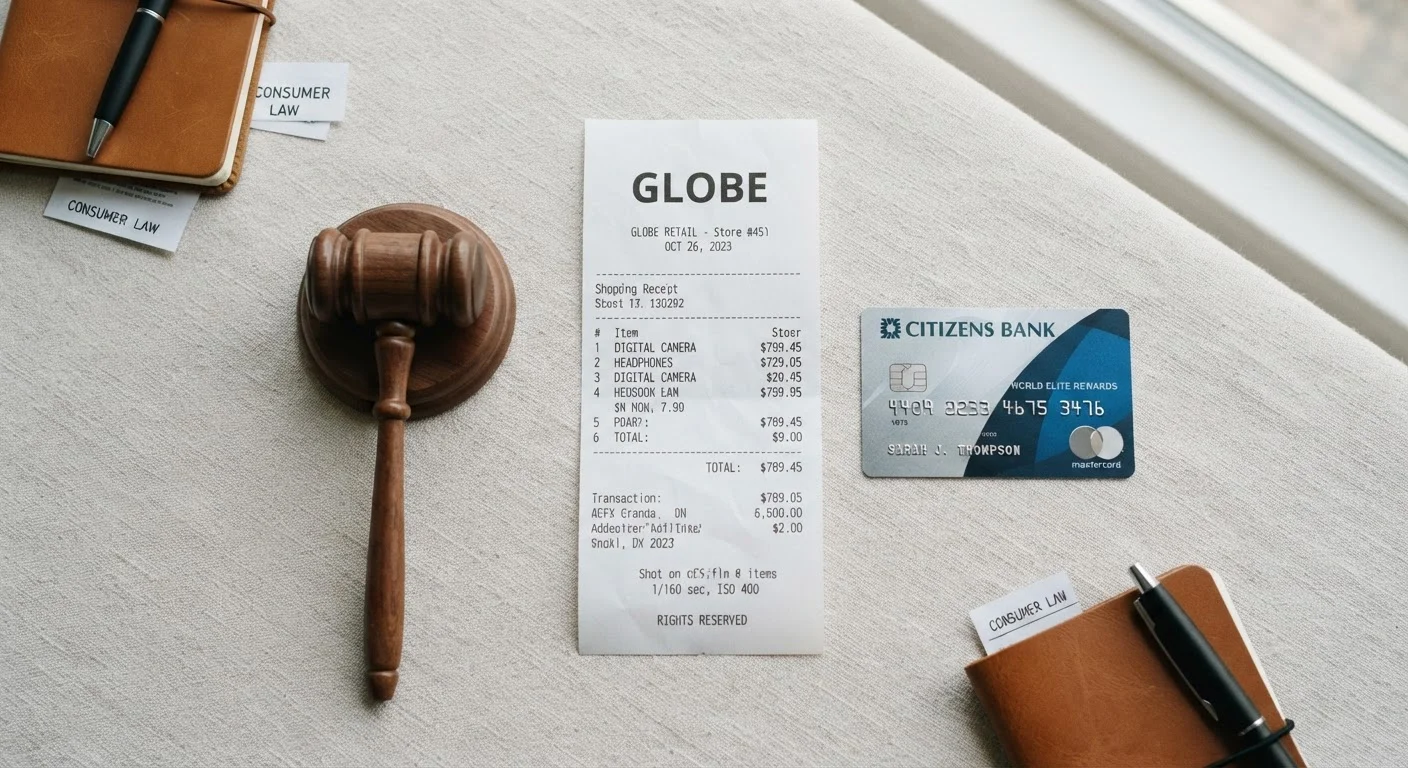
The Legal Foundation Behind Your Purchases
Most Americans assume consumer protection is limited to returning a defective blender or disputing a charge. The actual framework is considerably broader. A layered set of federal statutes and state laws governs nearly every commercial transaction you make - from a grocery run to financing a vehicle.
At the federal level, the Federal Trade Commission (FTC) enforces rules against deceptive and unfair business practices. The Consumer Financial Protection Bureau (CFPB) handles financial products - credit cards, loans, and debt collection. Specific laws fill in the details: the Fair Credit Billing Act covers billing errors; the Magnuson-Moss Warranty Act governs written warranties on consumer goods; the Truth in Lending Act requires clear disclosure of loan terms.
State attorneys general and state consumer protection offices add another layer, often with broader authority than federal agencies over local businesses. Many states have their own versions of unfair-trade-practices laws that go further than federal minimums. If you're also navigating housing situations, renter protections follow a similar layered structure.
Key Protections Worth Knowing
Understanding your rights in specific situations is more useful than a general overview. Here are the protections most relevant to everyday shopping.
Billing Disputes and Chargebacks
The Fair Credit Billing Act gives you the right to dispute billing errors on credit card statements - including charges for goods you never received, unauthorized charges, and amounts that don't match what you agreed to pay. You must dispute in writing within 60 days of the statement date. The card issuer must acknowledge your dispute within 30 days and resolve it within two billing cycles. Debit card protections exist under the Electronic Fund Transfer Act but are narrower and more time-sensitive.
Warranties on Products
If a seller offers a written warranty on a consumer product costing more than $15, the Magnuson-Moss Warranty Act requires that warranty to be available before purchase and written in plain language. It also restricts sellers from voiding a warranty simply because you used a third-party repair service or aftermarket part - a common misunderstanding. For more on what these protections actually cover when something breaks, see what consumer protections actually cover when a purchase goes wrong.
Return Policies and Final Sale Clauses
Federal law does not require retailers to accept returns. However, the FTC's "Cooling-Off Rule" gives you three business days to cancel certain purchases made outside a seller's permanent place of business - door-to-door sales, for example. Return policies are largely set by the retailer, which is why reading them before buying matters. Knowing what to look for in a return policy before you complete a purchase can save real money.
Debt Collection Rules
The Fair Debt Collection Practices Act (FDCPA) prohibits third-party debt collectors from using abusive, deceptive, or unfair tactics. They cannot call before 8 a.m. or after 9 p.m., contact you at work if you've asked them not to, or misrepresent the amount owed. You can request in writing that a collector stop contacting you; they must comply, though the debt itself remains.
Chargeback
A reversal of a credit or debit card charge initiated by the cardholder through their bank. Chargebacks are a consumer protection tool for unauthorized or disputed transactions, but misuse can result in account restrictions.
Magnuson-Moss Warranty Act
A federal law requiring that written warranties on consumer products be clearly worded and available before purchase. It also limits sellers' ability to void warranties based on the use of third-party parts or services.
Cooling-Off Rule
An FTC rule giving consumers three business days to cancel certain purchases made away from a seller's permanent business location, such as door-to-door sales. It does not apply to most retail or online purchases.
FDCPA
The Fair Debt Collection Practices Act. A federal law that restricts third-party debt collectors from using abusive, deceptive, or harassing tactics when attempting to collect a debt.
Implied Warranty
An unwritten guarantee, recognized under state law, that a product will perform its basic intended function. Unlike written warranties, implied warranties arise automatically and do not require a specific seller promise.
How to Act on These Rights
Rights you don't exercise don't protect you. A few practical habits make a difference.
- Document everything. Save receipts, order confirmations, and correspondence. Screenshots of product listings at time of purchase can matter in a dispute.
- Dispute promptly. Most protections have tight deadlines - 60 days for credit card billing errors is a common threshold. Waiting erodes your options.
- Use official channels first. File disputes with your card issuer or the business in writing before escalating. Regulators and small claims courts generally expect you to have tried to resolve the issue directly.
- Know where to file complaints. The FTC (reportfraud.ftc.gov), the CFPB (consumerfinance.gov/complaint), and your state attorney general's office all accept consumer complaints. These don't guarantee individual remedies, but documented complaints contribute to enforcement patterns.
For those building smarter purchasing habits more broadly, a ground-up approach to savvy shopping covers the research and evaluation skills that reduce problems before they start.
This article provides general consumer information and education. It is not legal advice. Laws vary by state and situation; consult a licensed attorney or your state's consumer protection office for guidance specific to your circumstances.
The content on this site is provided for informational purposes only and should not be considered a substitute for professional advice. While we strive to provide accurate and up-to-date information, we make no guarantees regarding its completeness or accuracy. Always consult a qualified professional for advice specific to your circumstances before making any decisions.