

How the Eviction Process Works Step by Step
Eviction follows a structured legal sequence. Understanding each stage is the most effective way to protect yourself.
Step 1: The Notice
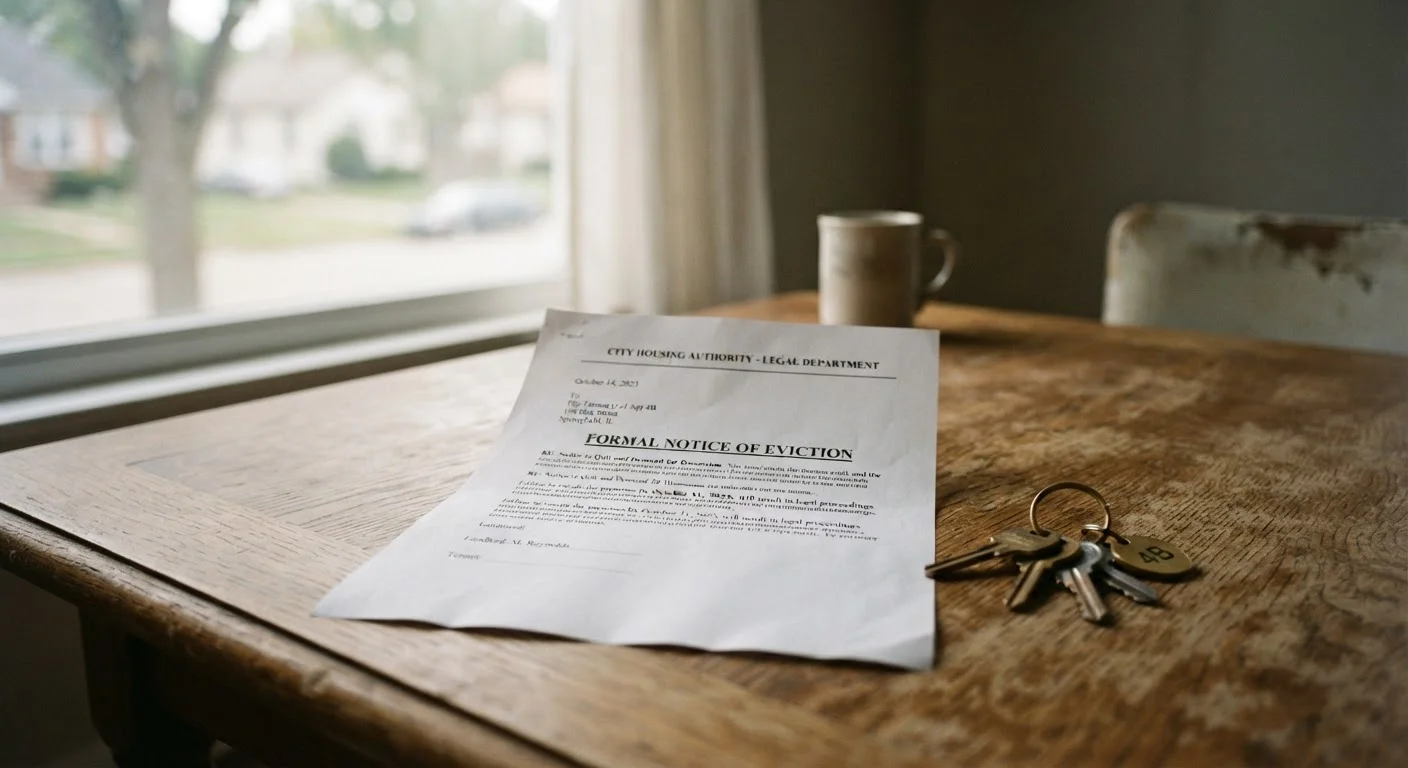
The process begins when a landlord serves a written notice. Common types include:
- Pay or Quit: Demands overdue rent within a set number of days (typically 3-14, depending on state).
- Cure or Quit: Requires the tenant to fix a lease violation - such as an unauthorized pet - within the notice period.
- Unconditional Quit: Demands the tenant leave without an opportunity to correct the issue, usually reserved for serious or repeated violations.
- No-Fault Notice: Used in states permitting no-cause termination for month-to-month tenancies; typically requires 30 or 60 days' notice.
Receiving a notice does not mean you must leave immediately. It marks the beginning of the legal process, not the end of your tenancy.
Step 2: Filing and Summons
If you don't comply with the notice, the landlord may file an eviction lawsuit - variously called an unlawful detainer, summary possession, or dispossessory action depending on the state. The court then serves you with a summons that specifies your hearing date. Missing this hearing typically results in a default judgment against you.
Step 3: The Hearing
At the hearing, both parties present their case. Tenants can raise defenses such as improper notice, retaliation, or habitability issues. The judge issues a ruling. If it favors the landlord, a writ of possession is eventually issued authorizing a court officer - not the landlord - to oversee removal.
Keep Every Document Related to Your Tenancy
From the day you receive a notice, preserve everything: the original notice, your lease, rent receipts, texts and emails with your landlord, and any photos of the unit. Courts rely heavily on written evidence, and organized documentation consistently strengthens a tenant's position at a hearing.
Your Rights as a Tenant Facing Eviction
Tenants retain important legal protections throughout the eviction process. Knowing them can make a material difference in the outcome.
Right to Proper Notice
Landlords must deliver notice in the specific manner required by state law - typically in person, posted on the door, or by certified mail. Improperly served notices can invalidate an eviction filing entirely.
Right to a Court Hearing
You have the right to appear before a judge and present your side. Bring documentation: your lease, rent payment records, written communications with your landlord, and any photos or inspection reports relevant to your defense.
Protection Against Discrimination
Federal fair housing law prohibits eviction based on race, color, national origin, religion, sex, disability, or familial status. State laws often extend protections further. See our guide to renter rights under federal and state law for a full breakdown.
Protection Against Retaliation
Most states prohibit landlords from filing eviction in response to a tenant's good-faith complaint about habitability. If you have recently reported maintenance issues, review our article on options when a landlord won't make repairs to understand how these issues interact.
Illegal 'Self-Help' Evictions Are Prohibited Nationwide
No landlord - regardless of state - can legally remove a tenant by changing the locks, removing doors or windows, shutting off utilities, or removing the tenant's belongings without a court order and the involvement of a law enforcement officer. If this happens to you, contact local law enforcement and a legal aid organization immediately. Most states allow tenants to sue for damages in such situations.
Practical Options When You Receive a Notice
The steps you take immediately after receiving a notice can significantly affect your outcome.
Review the Notice Carefully
Confirm it states the correct address, the right amount owed (if applicable), and a legally valid reason. Check that your landlord followed your state's required delivery method. Errors in the notice may be a valid defense.
Communicate in Writing
If you can pay back rent or correct a lease violation within the notice period, do so and keep written documentation. A money order receipt or bank transfer record is far stronger evidence than a verbal agreement.
Seek Legal Assistance Promptly
Many nonprofit legal aid organizations provide free representation to income-qualifying tenants. Courts in many jurisdictions now have self-help centers specifically for eviction cases. Acting quickly matters - deadlines in eviction proceedings are strict.
Understand Your Options After a Judgment
If a judgment is entered against you, you may have a short window to appeal or to negotiate a move-out agreement (called a stipulated judgment) that allows additional time. Even at this stage, an attorney or legal aid counselor can help you understand remaining options.
If you ultimately do need to vacate, our move-out checklist can help you document the unit's condition and protect your security deposit. When you're ready to search for new housing, the rental application process guide explains what landlords review and how to present yourself effectively.
This article is for general informational purposes only and does not constitute legal advice. Laws governing eviction vary by state and locality. Consult a licensed attorney or qualified legal aid organization for guidance specific to your situation.
Frequently Asked Questions
Timelines vary widely by state and local court backlog, but most evictions take anywhere from a few weeks to several months from first notice to a court judgment. Emergency or expedited proceedings may move faster. Check your state's landlord-tenant statute for specific notice and hearing deadlines.
No. Landlords are legally required to obtain a court order before removing a tenant in every U.S. state. Actions such as changing locks, cutting utilities, or removing your belongings without a court order constitute an illegal 'self-help eviction' and may give you grounds for legal action against the landlord.
An eviction judgment entered in court can appear on tenant screening reports and may affect your ability to rent in the future. Unpaid rent sent to collections can also appear on credit reports. Resolving the matter before a judgment is entered - through payment or negotiation - can help limit this impact.
No. A notice is the landlord's written request to cure a problem or vacate - it is not a court order. You have the notice period stated in the document to respond, pay, or prepare your defense. Only a judge can order you to leave, and even then a separate enforcement step is required.
Retaliatory eviction - removing a tenant for exercising a legal right, such as reporting habitability violations - is prohibited in most states. If you believe your eviction is retaliatory, document your communications and consult a tenant rights organization or attorney.
Many areas have nonprofit legal aid societies that provide free or sliding-scale representation to qualifying tenants. Local bar associations often run lawyer referral services, and many courthouses offer self-help centers with eviction-related resources. Search 'legal aid' plus your city or county to locate nearby programs.
The content on this site is provided for informational purposes only and should not be considered a substitute for professional advice. While we strive to provide accurate and up-to-date information, we make no guarantees regarding its completeness or accuracy. Always consult a qualified professional for advice specific to your circumstances before making any decisions.