

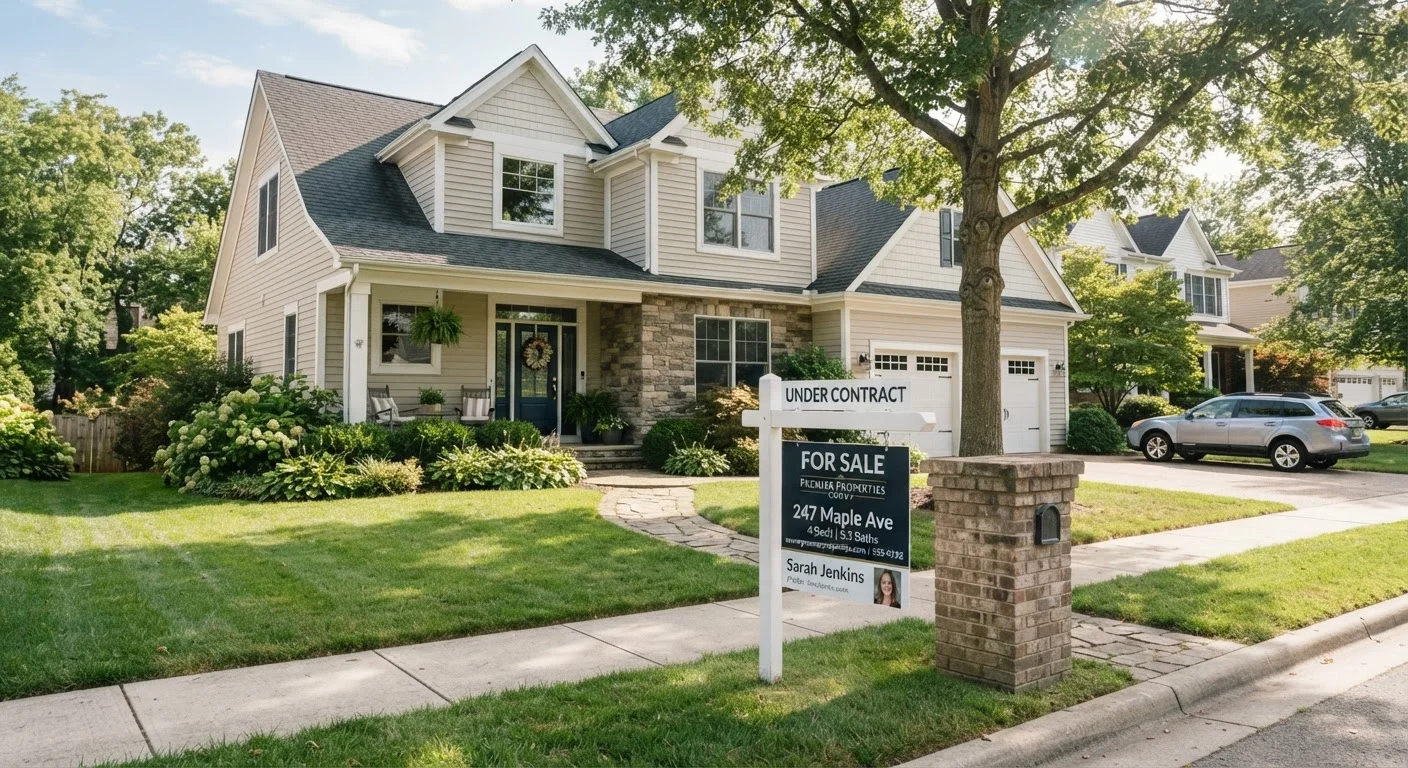
What 'Under Contract' Actually Means
When a home listing changes its status to under contract, it signals that both the buyer and seller have signed a legally binding purchase agreement. The agreed-upon price, timeline, and conditions are now on paper — but the deal isn't done yet. A series of steps, including inspections, appraisals, and mortgage approval, typically still stand between the signed contract and the actual transfer of ownership.
For buyers browsing listings, this status can feel like a door closing. For sellers, it can feel like the finish line is finally in sight. In reality, it marks the beginning of a critical phase — not the end of one. Understanding what happens during this window can help both sides manage expectations and avoid costly surprises.
MLS Status Labels Vary by Region
There is no single national standard for how MLS systems define 'under contract,' 'contingent,' or 'pending.' What one MLS labels 'contingent' another may call 'under contract with contingencies.' Always confirm the specific meaning of a status label with a licensed agent familiar with your local market before drawing conclusions about a listing's availability.
Under Contract, Contingent, and Pending: What's the Difference?
Real estate listing platforms often display homes with one of three status labels: under contract, contingent, or pending. While they all indicate a purchase agreement is in place, each carries a different practical meaning.
- Contingent: The contract is signed, but one or more contingencies — such as a home inspection, appraisal, or financing approval — have not yet been satisfied. The deal can still fall apart if those conditions aren't met.
- Under Contract: Used broadly to indicate an accepted offer. Depending on local MLS rules, this may overlap with 'contingent' or be used interchangeably. Some MLSs use it specifically to mean contingencies are in progress.
- Pending: Contingencies have typically been resolved and the transaction is moving toward closing. Competing offers are generally no longer accepted at this stage.
Because these labels aren't universally standardized, their meanings can shift by state or even by local MLS. When in doubt, ask a real estate agent to clarify what a specific status means in your market. For a deeper look at how contingencies shape your offer's competitiveness, see contingencies every homebuyer should understand before signing any agreement.
~5%
Share of home purchase contracts that fall through
According to National Association of Realtors data, a small but meaningful percentage of signed contracts do not result in a closed sale, most commonly due to financing issues or inspection findings.
30–60 days
Typical time from contract to closing
Industry averages reflect conventional mortgage timelines; cash transactions often close in under 30 days depending on title work and negotiated terms.
What Buyers Should Know When a Home Goes Under Contract
Finding a home you love only to discover it's under contract is frustrating — but your options aren't necessarily exhausted. If the listing shows a contingent status, many sellers will accept a backup offer. Should the primary deal collapse, your offer automatically steps into position without a new negotiation round.
It's also worth understanding that deals do fall through. Inspection findings, appraisal gaps, and financing denials all represent common exit points in a transaction. Staying informed through working with a buyer's agent can give you early visibility into these opportunities. Your agent can monitor the listing and alert you quickly if the status changes.
In competitive markets, understanding these dynamics matters enormously. Consult our overview of seller's market vs. buyer's market conditions to understand how market type affects your leverage as a competing buyer.
What Sellers Should Expect Once Under Contract
Once a home goes under contract, the seller's primary obligation is to allow the agreed-upon process to unfold — including providing access for inspections, coordinating with their agent, and responding to any buyer requests that emerge from due diligence. Sellers generally cannot simply back out because they received a better offer after signing.
However, sellers are not powerless. If the buyer fails to meet a contractual deadline or a contingency expires without being satisfied, the seller may have grounds to cancel and retain the earnest money deposit, depending on contract terms and state law. Having an experienced listing agent and a real estate attorney review key milestones reduces exposure to disputes.
Keep Deadlines Front and Center
Every contingency in a purchase contract comes with a deadline. Missing a deadline — whether for an inspection, financing commitment, or appraisal — can void a contingency and put your earnest money at risk. Both buyers and sellers should track these dates carefully, ideally with calendar reminders set well in advance.
Sellers should also think carefully before rejecting backup offers out of hand — having a qualified buyer in reserve provides real protection if the primary deal unravels late in the process.
Frequently Asked Questions
Yes, in many cases you can submit a backup offer. If the current deal falls through, your offer moves to the front of the line. Ask the listing agent whether the seller is accepting backup offers before proceeding.
Both statuses indicate a signed agreement is in place. 'Under contract' typically means contingencies are still being resolved, while 'pending' usually signals that all contingencies have been met and the sale is headed to closing. Exact usage varies by local MLS.
Most transactions close within 30 to 60 days of going under contract, though timelines vary based on financing type, inspection outcomes, and negotiated terms. Cash deals often close faster than those requiring mortgage approval.
The consequences depend on which contingencies are still active. If a buyer withdraws without a valid contingency, they may forfeit their earnest money deposit. If a valid contingency protects them, they can typically exit the contract and recover their deposit.
Sellers can generally continue showing the home and accepting backup offers unless the contract prohibits it. Doing so provides a safety net if the primary deal collapses, but sellers should confirm this is permissible under their agreement.
The content on this site is provided for informational purposes only and should not be considered a substitute for professional advice. While we strive to provide accurate and up-to-date information, we make no guarantees regarding its completeness or accuracy. Always consult a qualified professional for advice specific to your circumstances before making any decisions.