

How Zero-Based Budgeting Works
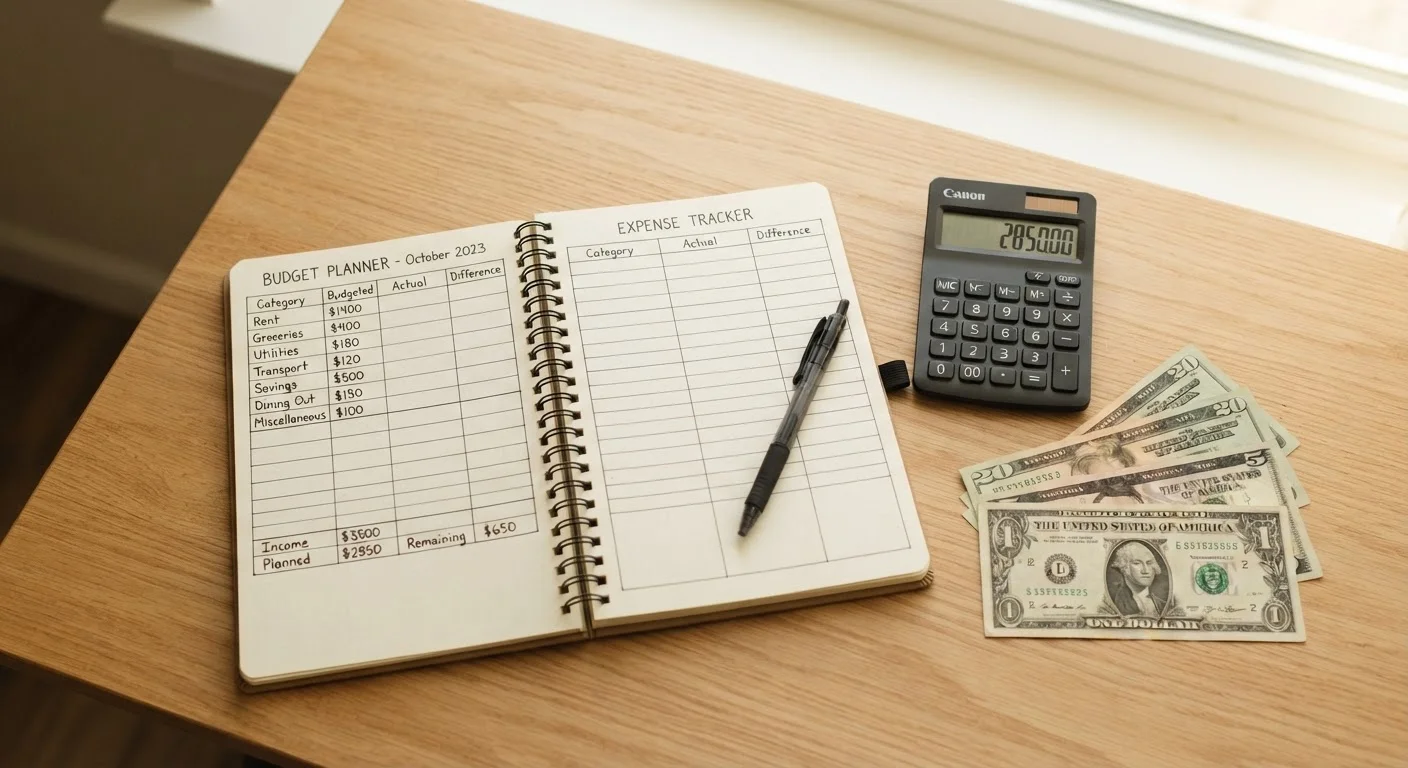
The mechanics of zero-based budgeting are straightforward. At the start of each month, you write down your total expected income. Then you list every category where money will go - rent or mortgage, groceries, utilities, transportation, entertainment, savings contributions, debt payments - and assign a dollar amount to each one. You keep adjusting those amounts until the total assigned equals your total income, leaving a remainder of zero.
That final zero is the signal that your plan is complete. It doesn't mean you're broke; it means every dollar has a destination. If you have $200 left after covering your usual categories, that $200 gets assigned somewhere - perhaps to your emergency fund, a vacation savings account, or an extra debt payment.
This differs sharply from passive budgeting, where people track spending after the fact and hope there's something left over. ZBB forces decisions at the beginning of the month, before money is spent. If you're new to structured money management, our ground-up budgeting guide covers the foundational vocabulary and first steps.
Start With Real Numbers, Not Ideal Ones
Pull your last two or three months of statements before assigning any category amounts. Most people underestimate what they spend on food, subscriptions, and entertainment by 20-30%. Using actual averages makes your first ZBB plan far more durable and realistic.
Who Benefits Most From This Method
Zero-based budgeting tends to deliver the most value to people who feel their money disappears without explanation each month. Because every category is explicitly planned, there's nowhere for spending to hide. It's particularly useful for:
- People with fixed monthly income - a predictable paycheck makes it easier to plan all categories before the month starts.
- Those working to pay off debt - ZBB makes it easy to deliberately direct extra dollars toward debt each month rather than leaving repayment amounts vague. The Saving & Debt hub explores complementary strategies.
- Households with multiple spending priorities - when two people share finances, a written zero-based plan creates shared clarity on where money goes.
It's less naturally suited to freelancers or gig workers whose income fluctuates significantly, though the method can be adapted by budgeting conservatively and assigning surprise income when it arrives.
1 in 3
Americans who say they have no monthly budget
According to a Gallup survey on personal finance habits, roughly one-third of U.S. adults report not following any formal budget.
~$300
Average monthly untracked discretionary spending
Research from the Consumer Financial Protection Bureau suggests many households underestimate their discretionary spending by hundreds of dollars per month.
Setting Up Your First Zero-Based Budget
Start by gathering one to three months of bank and credit card statements. This gives you a realistic picture of how you actually spend - not how you think you spend. Common categories include housing, food, transportation, insurance, subscriptions, personal care, and savings. Don't forget irregular but predictable expenses like car registration or annual insurance premiums - divide those annual totals by 12 and assign that monthly portion to a sinking fund category.
Once categories are drafted, total them up and compare against your income. If the total exceeds income, trim discretionary categories until the math balances. If income exceeds the total, assign the surplus to savings or debt. Our monthly budget setup checklist walks through each of these steps in detail so nothing gets overlooked.
Mid-month, life happens. A car repair or medical co-pay may appear. When an unplanned expense arises, find another category to reduce by the same amount - that keeps the plan balanced without abandoning it. This flexibility is called a budget transfer, and it's a normal part of using ZBB in practice.
Common Pitfalls and How to Avoid Them
The most frequent mistake new ZBB users make is under-budgeting variable categories like groceries or gas. Using your actual spending history - rather than an optimistic estimate - produces a more realistic plan. Another common error is forgetting irregular expenses entirely, which causes the budget to break the first time the car needs an oil change.
Some people also abandon ZBB after a single imperfect month, believing one budget transfer means the method failed. In reality, flexibility is built into the system. The objective isn't a perfect plan - it's an intentional one. If you've run into similar resistance with budgeting in general, our article on budget myths that hold people back addresses these mental barriers directly.
A teacher earns $3,800 per month after taxes. She assigns $1,200 to rent, $400 to groceries, $150 to utilities, $200 to transportation, $300 to loan payments, $250 to savings, $100 to subscriptions, and $200 to personal and miscellaneous - totaling exactly $3,800.
A couple finds $180 unassigned after building their monthly plan. Rather than leaving it in checking, they assign $100 to their emergency fund and $80 to a vacation savings account.
Midway through the month, an unexpected $90 dental co-pay comes up. The person pulls $90 from their 'entertainment' category and records the transfer.
This article is for general informational purposes only and does not constitute personalized financial, tax, or investment advice. Consider consulting a qualified financial professional for guidance specific to your situation.
Frequently Asked Questions
No. It means every dollar is assigned a category before you spend it. Savings, emergency funds, and debt payments are all valid categories. The goal is intentionality, not zero dollars in the bank.
The 50/30/20 rule uses fixed percentage buckets for needs, wants, and savings, which requires less detailed tracking. Zero-based budgeting assigns each dollar to a specific line item, giving you a more granular view of your finances. See a full comparison in our <a href="/money-finance/budgeting-basics/the-503020-rule-vs-zero-based-budgeting">50/30/20 vs. ZBB breakdown</a>.
Variable-income earners can still use ZBB by budgeting from their lowest expected monthly income as a baseline. Any additional income earned above that baseline gets assigned when it arrives. This requires re-budgeting mid-month when income fluctuates.
It can be, but it demands more setup and ongoing attention than simpler frameworks. If you're new to budgeting, our <a href="/money-finance/budgeting-basics/personal-budgeting-from-the-ground-up">beginner's budgeting guide</a> can help you build the foundational habits first.
A simple spreadsheet, a paper ledger, or a dedicated budgeting app can all work. The key requirement is that the tool allows you to list income, create detailed spending categories, and track actual spending against your plan throughout the month.
The content on this site is provided for informational purposes only and should not be considered a substitute for professional advice. While we strive to provide accurate and up-to-date information, we make no guarantees regarding its completeness or accuracy. Always consult a qualified professional for advice specific to your circumstances before making any decisions.