

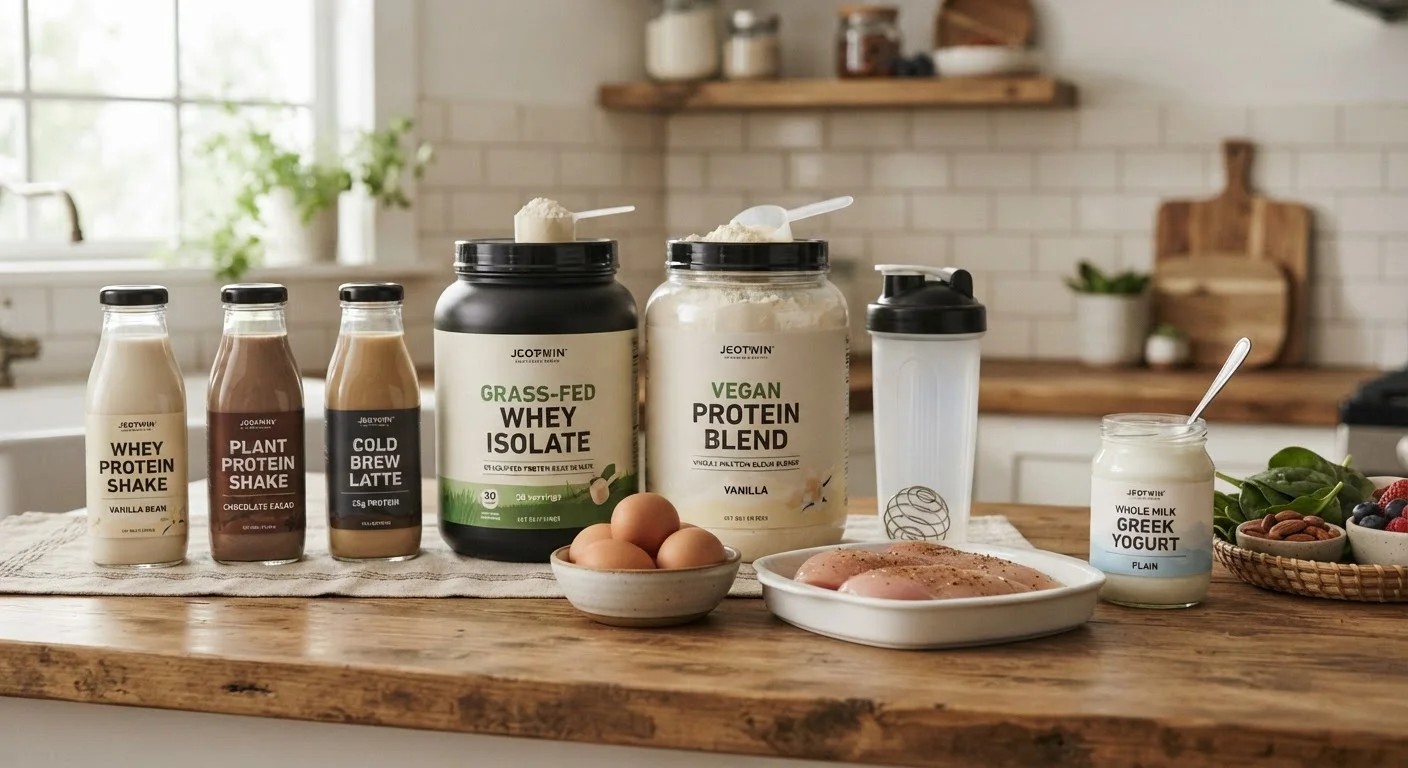
The Gap Between Perception and Reality
Walk into any gym or browse a fitness-focused social media feed and protein shakes appear indispensable - a non-negotiable cornerstone of anyone trying to build muscle, lose weight, or simply stay healthy. The global protein supplement market reflects this belief, generating billions in annual revenue. But the nutritional science tells a more nuanced story.
Research consistently shows that the majority of Americans already meet or exceed the RDA for protein, which sits at 0.8 grams per kilogram of body weight per day for sedentary adults. Even recreational exercisers often reach the higher targets - around 1.2 to 1.6 grams per kilogram - through ordinary food choices. Understanding where the common misconceptions lie can help you decide whether a protein shake genuinely serves your goals or simply adds cost and calories. For a broader look at how nutrients work together, see our nutrition fundamentals guide.
Common Mistakes People Make With Protein Shakes
The following errors are widespread - not because people are careless, but because marketing, fitness culture, and oversimplified advice make them easy to fall into.
Assuming more protein always means more muscle.
Why it happens: Supplement marketing often implies a direct, unlimited relationship between protein intake and muscle gain, which oversimplifies how muscle protein synthesis actually works.
Replacing whole-food meals with protein shakes to save time or reduce calories.
Why it happens: Shakes feel like an efficient shortcut, and their calorie counts are easy to control, making them attractive during weight-loss efforts.
Ignoring total daily protein intake and focusing only on post-workout timing.
Why it happens: The "anabolic window" concept - the idea that protein consumed immediately after exercise is uniquely valuable - became a popular fitness trope despite more nuanced evidence.
Not accounting for the protein already present in everyday foods.
Why it happens: People tend to think of protein only in terms of obvious sources like chicken breast, overlooking the meaningful amounts in dairy, grains, legumes, and nuts.
Choosing protein powders without scrutinizing ingredients or third-party testing.
Why it happens: Supplements are not subject to the same pre-market approval process as pharmaceuticals in the U.S., so consumers often assume that products sold openly are rigorously verified.
If you're also questioning other deeply held nutrition beliefs, our article on nutrition myths and what evidence actually shows addresses several related misconceptions in depth.
When Protein Supplements Can Play a Legitimate Role
None of this means protein shakes are universally useless. There are circumstances where they offer genuine convenience or nutritional value.
- Clinical or recovery contexts: People recovering from surgery, managing certain medical conditions, or struggling with appetite loss may find that liquid protein is an accessible way to meet elevated needs. This should always be guided by a healthcare provider.
- Dietary gaps in plant-based eating: Vegans and vegetarians may have a harder time meeting protein targets through whole foods alone, particularly for certain essential amino acids. A protein supplement can help fill a genuine gap.
- High-volume athletic training: Competitive athletes or those in very demanding training programs may have protein needs at the upper end of evidence-based ranges, where supplementation can be a practical tool - not a magic one.
Supplements Are Not Regulated Like Food or Drugs
In the United States, dietary supplements including protein powders are not required to demonstrate safety or efficacy before going to market. The FDA can only act after a product is already sold and a problem is identified. This means label claims may not always reflect actual contents. Third-party testing certifications offer a meaningful but imperfect layer of assurance - seek them out if you choose to use these products.
Outside of these scenarios, spending time and money on protein supplements is more likely to reflect effective marketing than genuine nutritional need. Whole food sources - eggs, legumes, dairy, poultry, fish - deliver protein alongside fiber, vitamins, and minerals that powders typically lack. For more on navigating fitness-related misconceptions, see our piece on exercise myths that mislead beginners.
This article is for general informational and educational purposes only and does not constitute medical or dietary advice. Consult a registered dietitian or qualified healthcare provider before making significant changes to your diet or supplement routine.
The content on this site is provided for informational purposes only and should not be considered a substitute for professional advice. While we strive to provide accurate and up-to-date information, we make no guarantees regarding its completeness or accuracy. Always consult a qualified professional for advice specific to your circumstances before making any decisions.