

Our Verdict
Extended warranties can provide genuine peace of mind for drivers keeping a vehicle well past its factory coverage period - particularly for complex, repair-intensive models. However, the value depends almost entirely on what the contract actually covers versus what it excludes. Reading the fine print before signing is not optional; it is essential.
Drivers planning to keep a high-mileage or historically repair-prone vehicle for many years and who want predictable repair costs may find an extended warranty worth evaluating carefully.
What Extended Warranties Actually Are
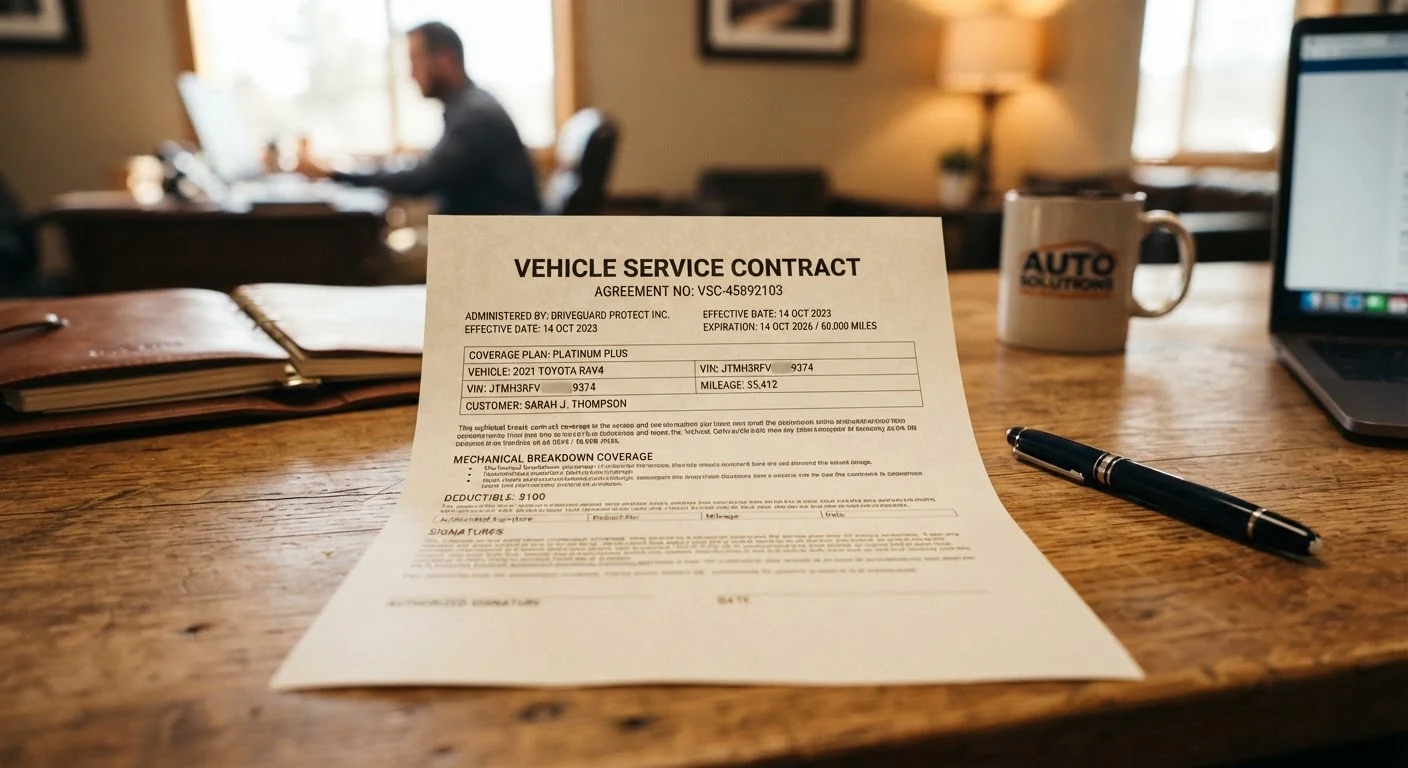
The term "extended warranty" is used loosely in the auto industry, and that looseness matters. Technically, most products sold by dealerships as extended warranties are vehicle service contracts - legally distinct from manufacturer warranties. A manufacturer warranty is a promise made directly by the automaker as part of the vehicle purchase. A vehicle service contract is a separate financial product, often sold by a third-party administrator, that you pay for additionally.
This distinction matters because service contracts are regulated differently by state and federal law than warranties are. Understanding the type of plan you're being offered is the first step. For a broader look at how warranty terminology works across consumer products, see our guide to extended and limited warranty types.
Manufacturer-Backed vs. Third-Party Plans
Plans sold or certified by the original vehicle manufacturer - often through their dealership network - are generally considered more reliable than independent third-party contracts, because the automaker stands behind the claims process directly. Third-party plans vary enormously in quality. Researching the administering company's complaint history with your state insurance commissioner or the Better Business Bureau before purchasing is a reasonable due-diligence step.
What the Fine Print Typically Covers - and Excludes
Coverage tiers vary widely. The most comprehensive plans - sometimes called "bumper-to-bumper" or "exclusionary" contracts - list what is not covered rather than what is. Powertrain-only plans cover the engine, transmission, and drivetrain but little else. Everything in between involves trade-offs you need to read carefully.
Common exclusions found across most contracts include:
- Wear-and-tear items: Brake pads, tires, belts, hoses, filters, and wiper blades are almost universally excluded.
- Pre-existing conditions: Any fault detectable at the time of purchase is typically not covered. Inspection requirements vary.
- Maintenance neglect: Failing to follow the manufacturer's recommended service schedule can void coverage entirely.
- Cosmetic damage: Trim, upholstery, paint, and glass are rarely included.
- Consequential damage: If a non-covered part fails and damages a covered part, the resulting repair may still be denied.
Predictable repair costs on older or high-mileage vehicles
Major mechanical failures - transmission replacement, engine repairs, electrical system faults - can cost thousands of dollars. A contract with broad coverage can cap out-of-pocket exposure on expensive repairs.
Can improve resale value if transferable
Some plans transfer to a subsequent owner, which can be a selling point when you list the vehicle. Check the contract's transfer policy and any associated transfer fee before assuming this benefit applies.
Reduces decision stress when a repair is needed
Knowing a large repair is covered - rather than weighing whether to fix or sell a failing vehicle - can simplify ownership decisions, particularly for drivers without a large emergency fund.
Beyond exclusions, watch for how the contract defines an authorized repair facility. Some plans limit repairs to dealerships; others allow any ASE-certified shop. Reimbursement processes also differ - some contracts pay the shop directly, while others require you to pay out of pocket and submit for reimbursement.
Many common failures are excluded from coverage
Wear-and-tear exclusions, maintenance-neglect clauses, and consequential damage limitations mean real-world claims are frequently denied for reasons that weren't obvious at the time of purchase.
Third-party administrators can be difficult to deal with
Plans not backed by the manufacturer rely on third-party companies whose financial stability and claims responsiveness vary. Some administrators have gone out of business, leaving contract holders with no coverage and no recourse.
Total cost often exceeds average repair costs for reliable vehicles
For vehicles with strong reliability histories, the contract premium plus deductibles may exceed what you would have paid paying for repairs out of pocket - though this only becomes clear in retrospect.
Pre-authorization requirements create friction during repairs
Requiring insurer sign-off before a shop begins work can delay necessary repairs, create tension with repair facilities, and result in denial if the process isn't followed precisely.
Key Contract Terms That Affect Real-World Value
Several contract terms directly determine whether a plan delivers value when you actually need it:
- Deductible structure
- Some contracts charge a deductible per visit; others charge per repair. A "per-repair" deductible can significantly increase your out-of-pocket costs when a single visit addresses multiple issues.
- Cancellation and refund policy
- Most contracts allow cancellation within a window - often 30 to 60 days - for a full refund. After that, prorated refunds typically apply. Know whether the plan is transferable if you sell the vehicle, as this can affect resale value.
- Claims process
- Understand whether the contract administrator requires pre-authorization before repairs begin. Proceeding without authorization is one of the most common reasons claims are denied.
For context on reading fine print across other types of consumer contracts, our guide to decoding contract terms offers transferable principles. You might also consult our overview of buyer protections to understand what legal recourse exists if a contract is misrepresented.
55%
Extended warranty holders who never file a claim
According to Consumer Reports survey data, roughly half of extended warranty purchasers do not use their plan during the coverage period, paying premiums for protection they did not need.
$1,400+
Average transmission repair cost in the US
Industry repair data consistently places major drivetrain repairs in the four-figure range, which is often cited as the central argument for extended mechanical coverage on aging vehicles.
How Extended Warranties Relate to Other Coverage
Extended warranties do not replace or overlap with auto insurance - they cover mechanical failure, not accidents, theft, or weather damage. For a plain-language explanation of what auto insurance covers, see our breakdown of auto insurance coverage types. The two products operate independently, and understanding both helps you avoid assuming coverage you don't actually have.
For ongoing vehicle care that can extend mechanical life and sometimes reduce the likelihood of needing warranty claims at all, our vehicle maintenance hub covers routine service topics in depth.
This article provides general information about vehicle service contracts and extended warranties. It is not legal or financial advice. Contract terms vary significantly by provider. Always read the full contract document before signing, and consider consulting a consumer protection attorney or your state attorney general's office if you have concerns about a specific contract's terms.
The content on this site is provided for informational purposes only and should not be considered a substitute for professional advice. While we strive to provide accurate and up-to-date information, we make no guarantees regarding its completeness or accuracy. Always consult a qualified professional for advice specific to your circumstances before making any decisions.